My story
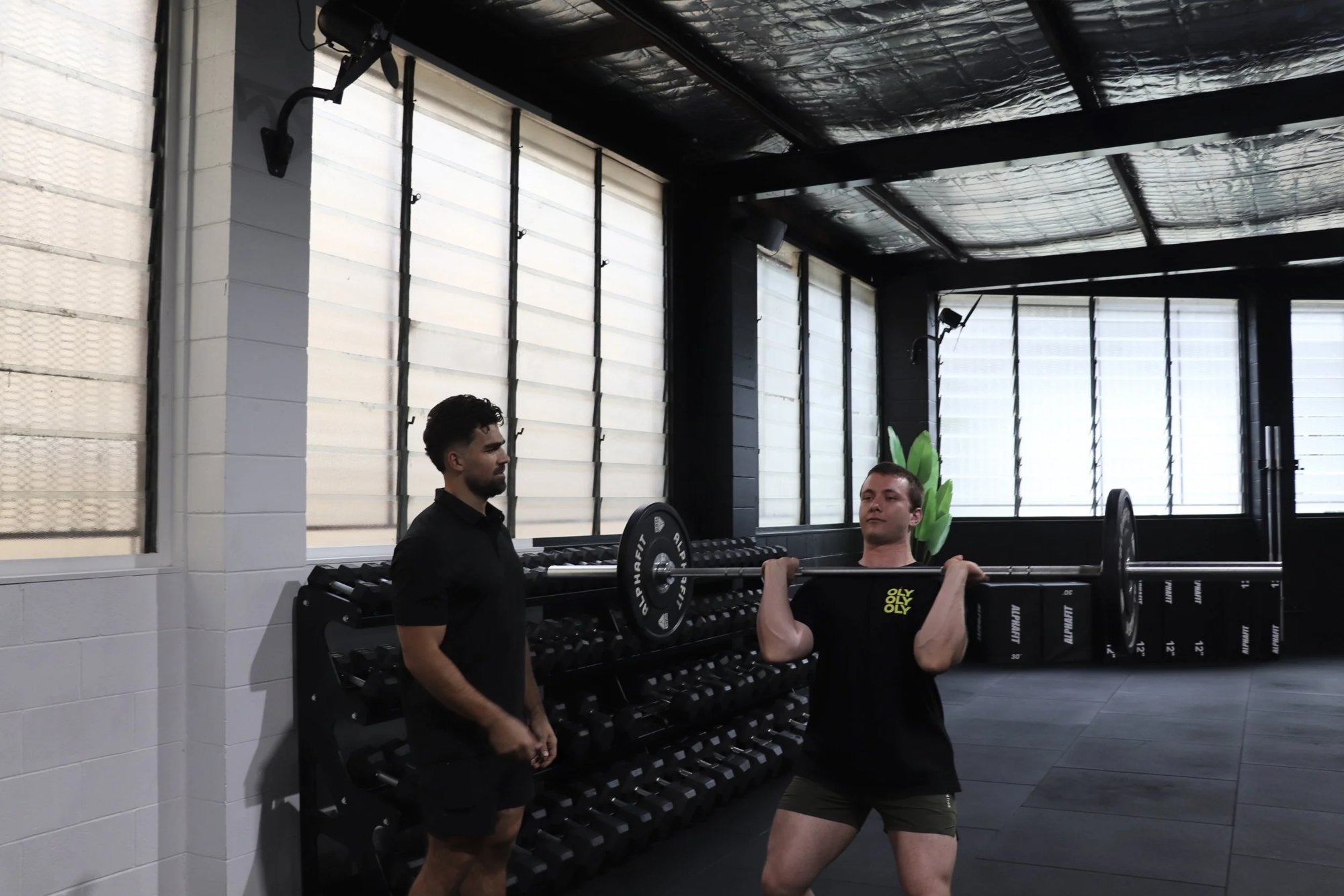
I began as a personal trainer in 2018, became a remedial massage therapist in 2019, and have trained and competed in Olympic weightlifting since 2019. Alongside all of that I studied, graduating in 2024 with a Bachelor of Clinical Exercise Physiology.
I don’t believe qualifications alone make a great clinician. What matters is how theory is translated into meaningful, long-term change. My studies have been valuable, but my experience training, competing and working hands-on with clients has shaped my approach even more. I won’t ask a client to do something I wouldn’t do myself.
My work has always leaned toward the practical: helping people move, lift and live better, while grounding every decision in strong clinical reasoning.
Rehabilitation should not end when pain disappears
Too often, people complete a short block of physiotherapy, feel “fixed”, and then stop training altogether. The result is deconditioning, fear of movement and recurring injury.
Strength training is the missing link.
When pain settles and the question becomes “What now?”, my answer is to build capacity. That may mean learning a clean, developing a stronger squat, or finding a training style that challenges and excites you. Weightlifting isn’t just a sport; it’s a system for resilience.
By leaving rehabilitation stronger than before injury, you build a body that is capable, durable, and prepared for the demands of work, sport, travel and everyday life.
Where this is going
I want to grow the sport of Olympic weightlifting. I believe everyone should know how to do it. And I’m still chasing my own numbers.
160 kg
Snatch
200 kg
Clean and jerk
2028
Olympics, then the 2030 Commonwealth Games and the 2032 Olympics